jasmine j.lee
branding & creative direction
Problem Statement
Consumers are increasingly demanding environmentally responsible products in luxury cars.
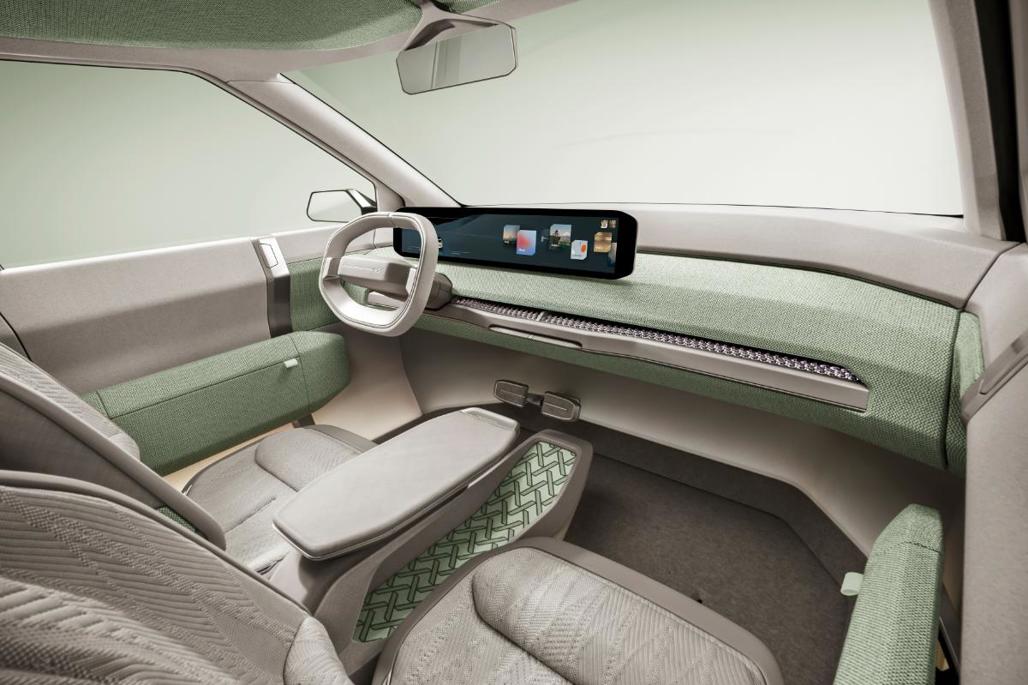
Image Credit: Kia
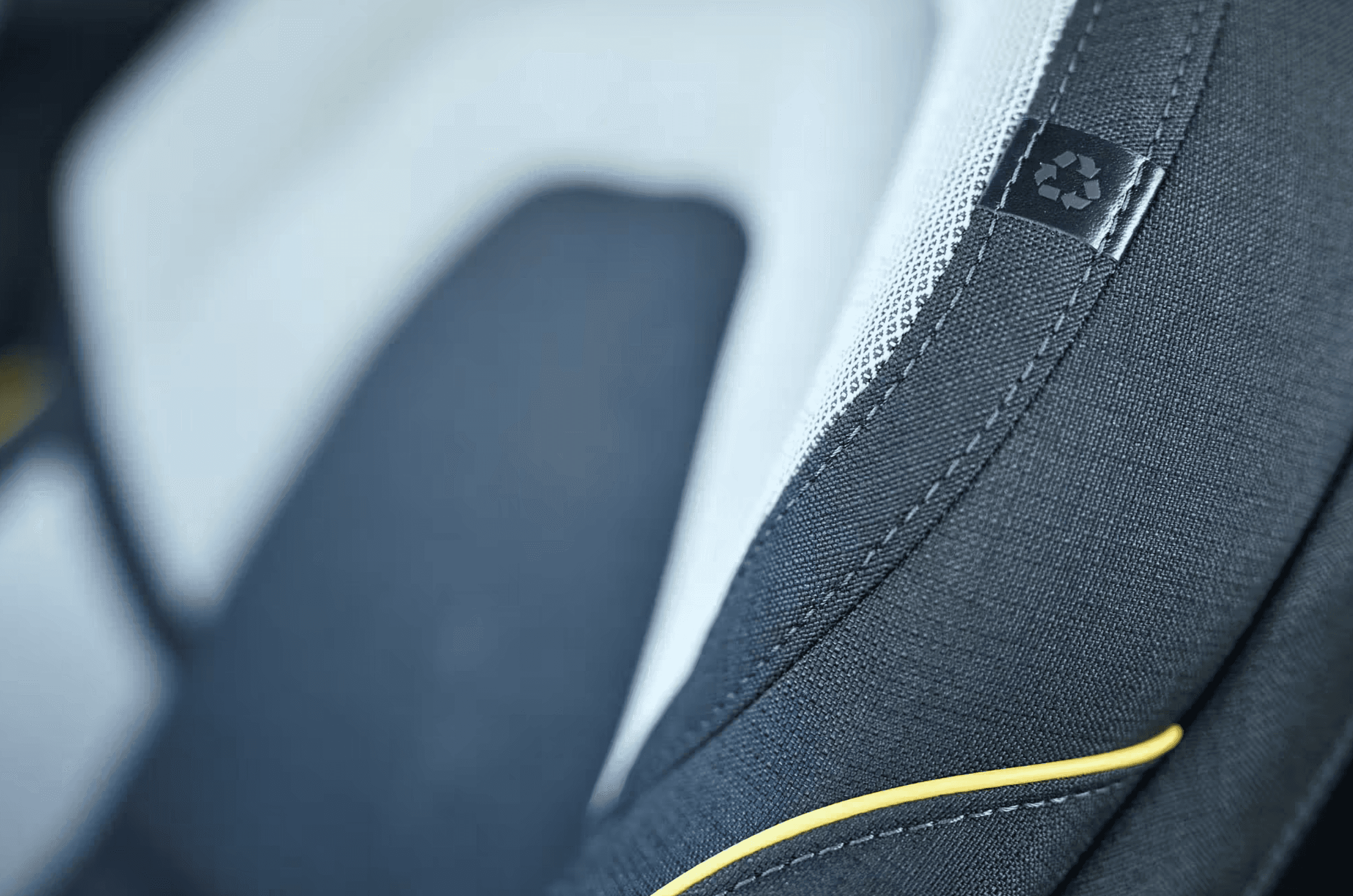
Image Credit: Volvo

Image Credit: Volvo
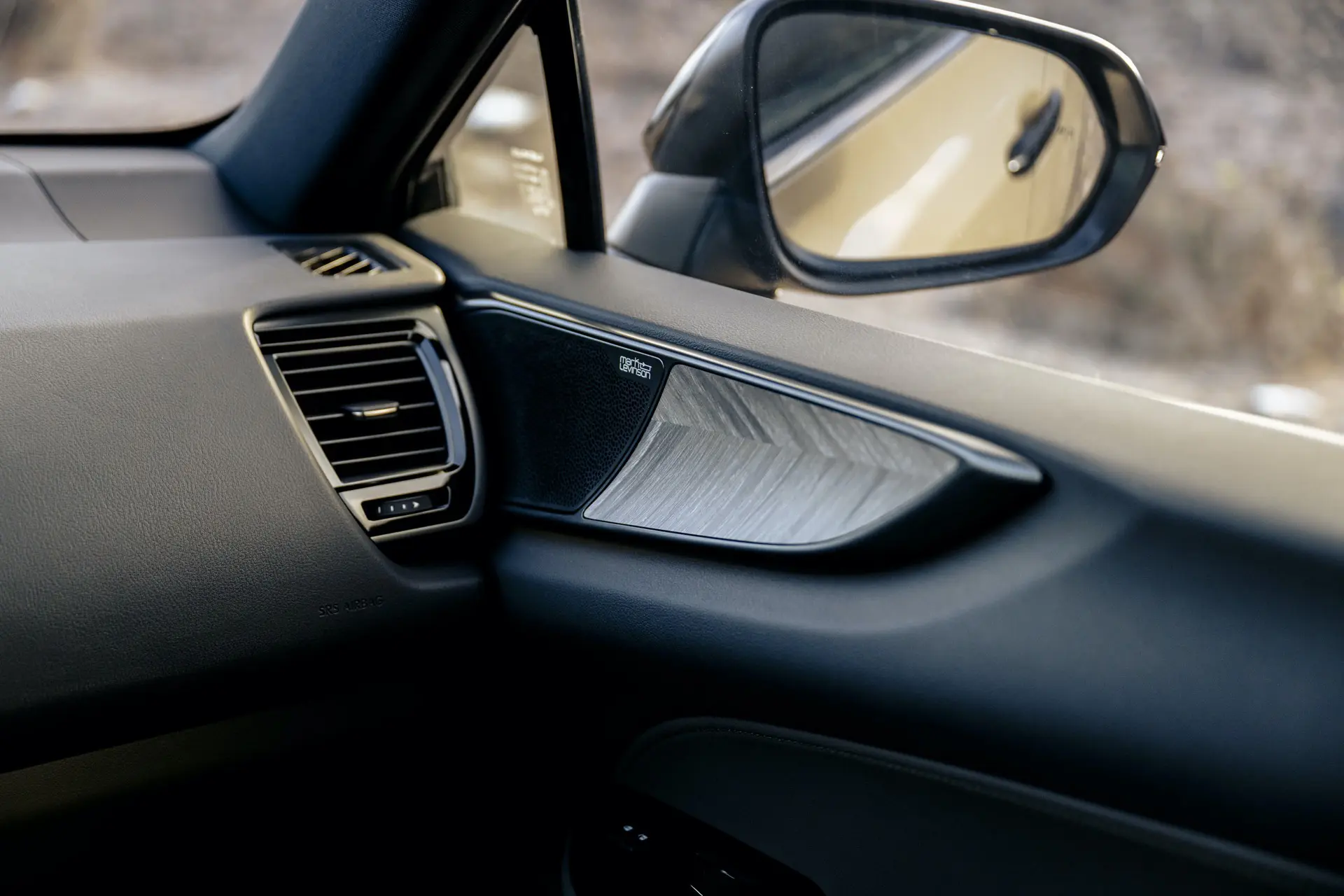
Image Credit: Lexus

How might we turn sustainable materials into a brand statement?
I set out to explore how a car brand could leverage renewable materials not just for environmental impact, but as a core element of marketing, identity, and consumer loyalty.
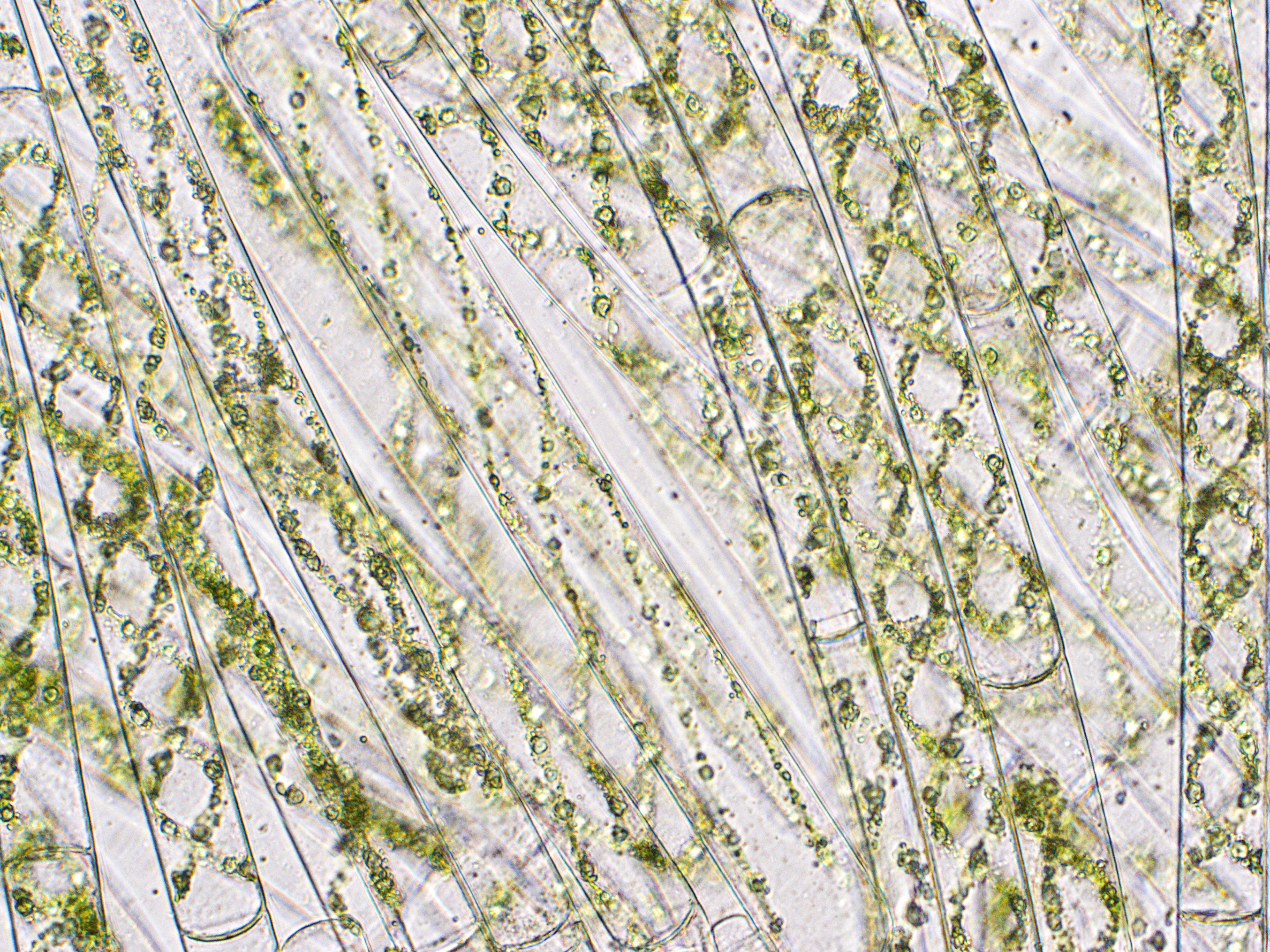
Learning from nature
Algae is 50% of the world's most efficient oxygen producers.
By looking closer at how nature works, we researched how macro and microalgae are built to absorb CO2 efficiently.
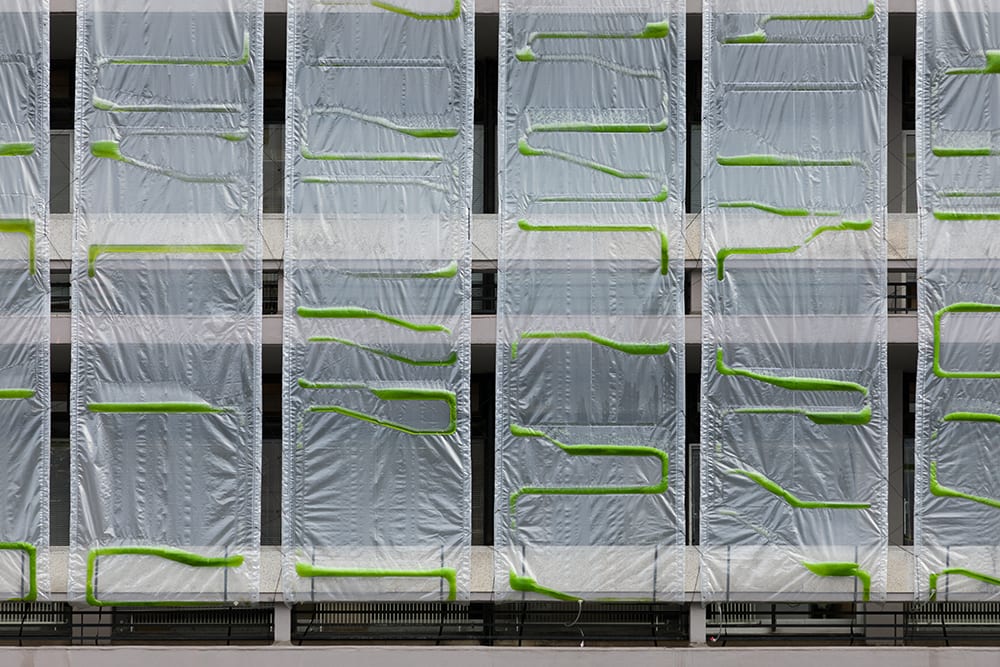
Researching materials
Analyzed architectural bio-design examples that harness dynamic materials that reacts to their environment for sun protection.
Credit: Photo.Synth.Etica Urban Curtain

Applying it in context
How might we apply algae's lifecycle and environment within our context- hydrogen-fuel-cell-future-vehicle?
Credit: Webasto Panoramic Sunroof
Fun fact! 1 cubic meter of microalgae absorbs as much carbon dioxide as 100 sq meter Maple forest.
User Research + Concept Sketching
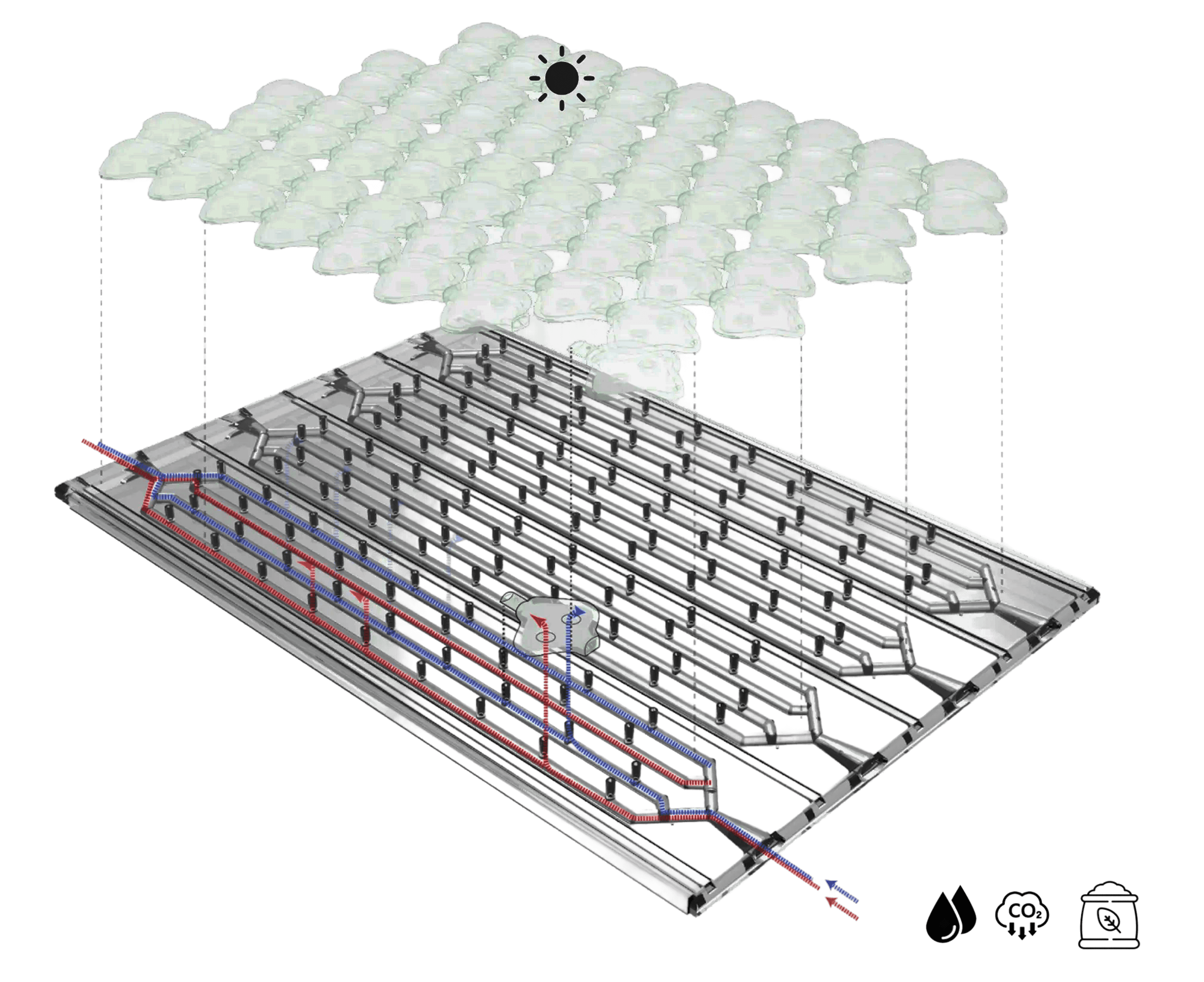
After conducting extensive user research, discussing feasibility with MIT and Northeastern biodesign professors, we landed on an algae-embedded panel that can be placed seamlessly on the sunroof, moonroof, or even side door panels of vehicles.



This panel would serve as a sculptural piece within a limited moving space- a hydrogen fuel cell car interior- a self regulating system of algae vessels, designed to purify air and grow with nature.
Testing Concept Viability
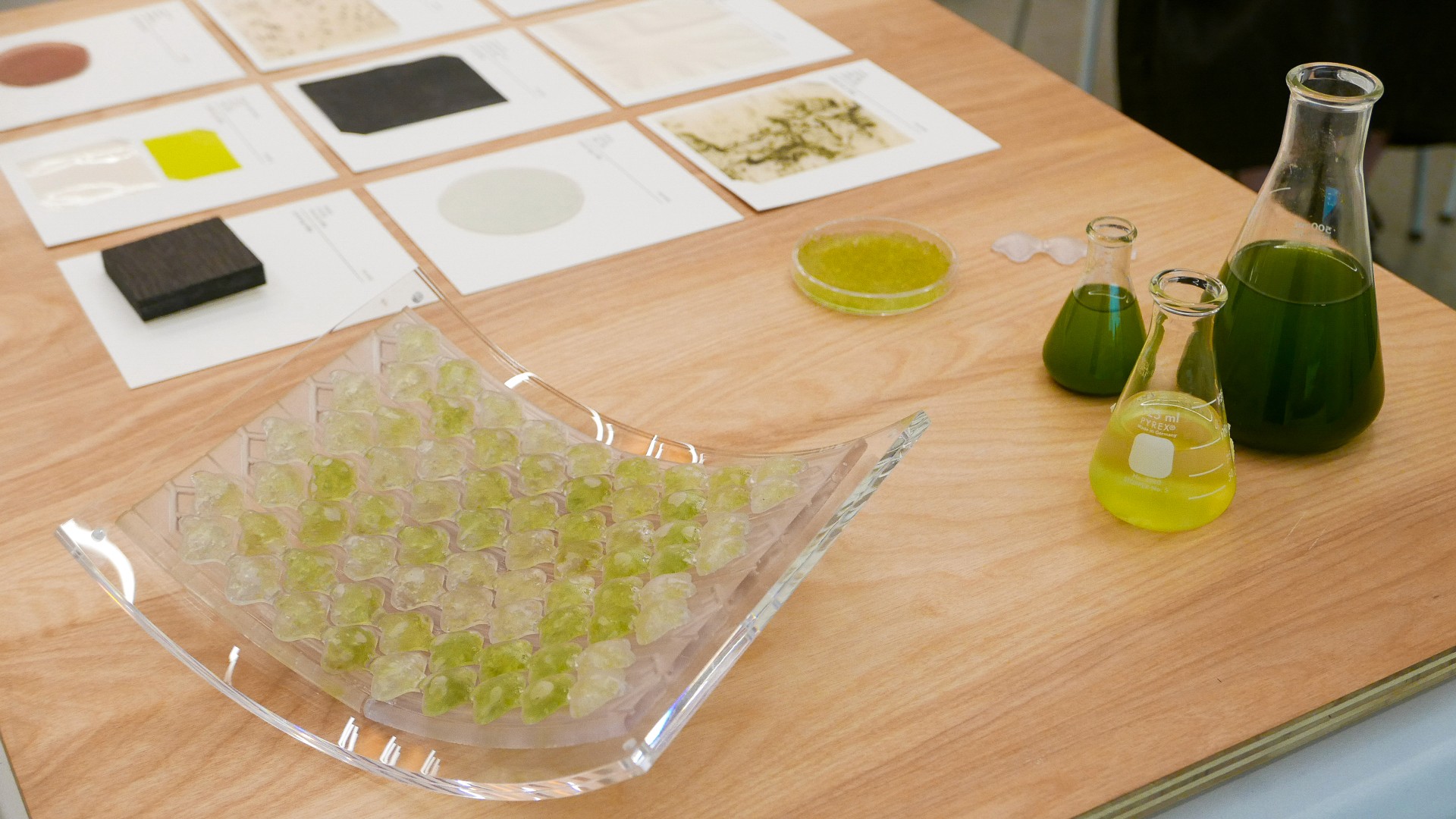
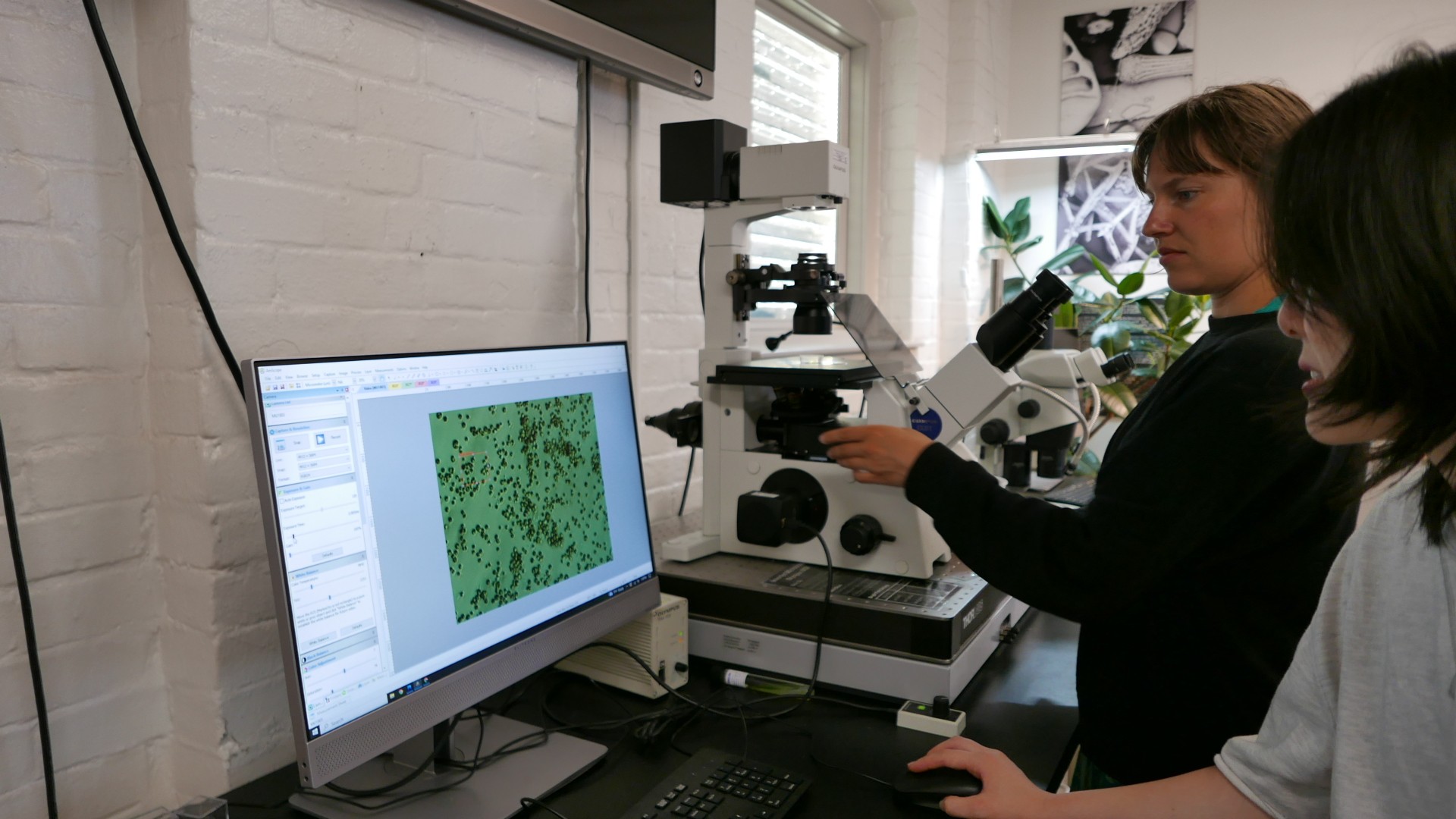
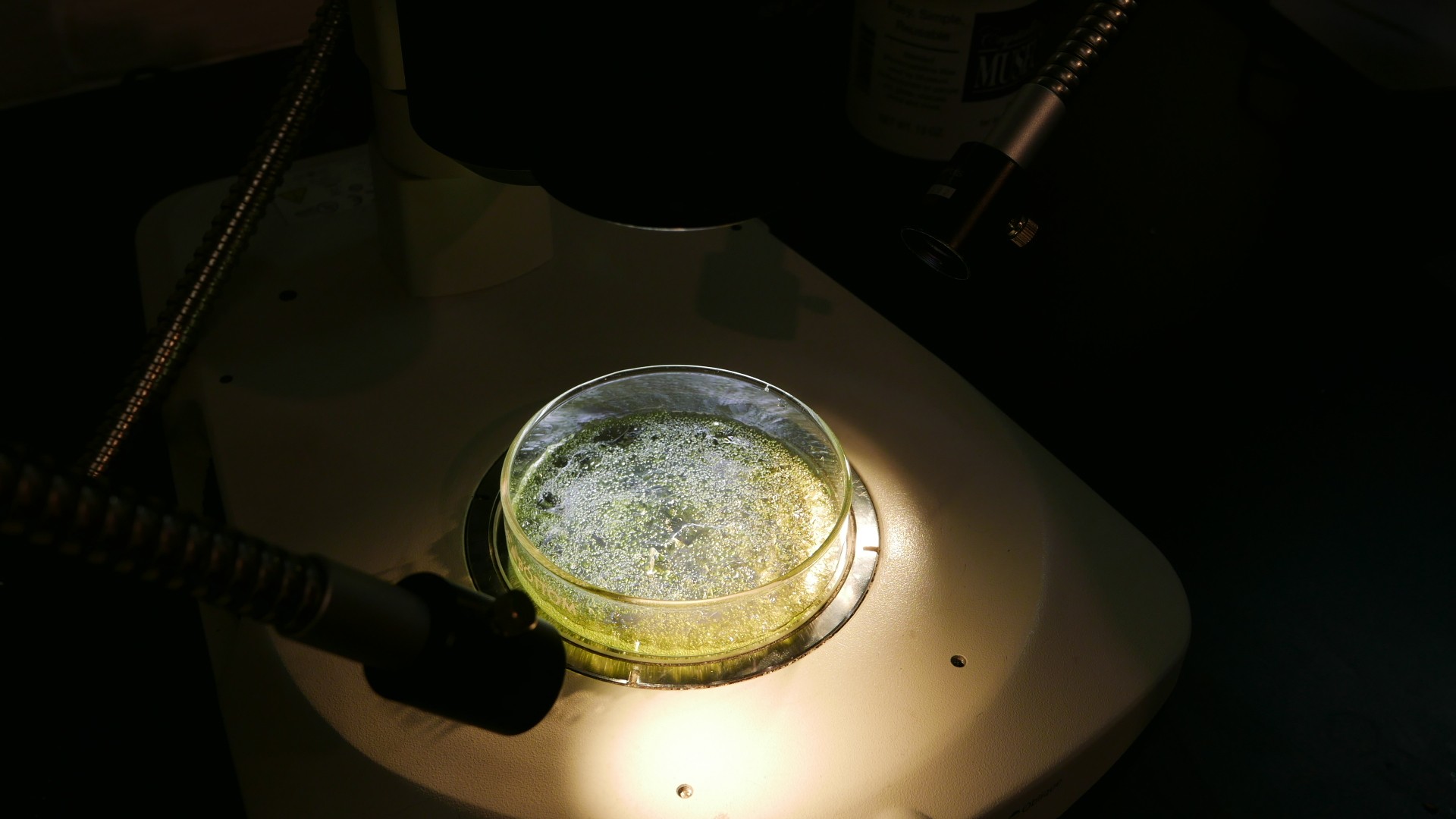
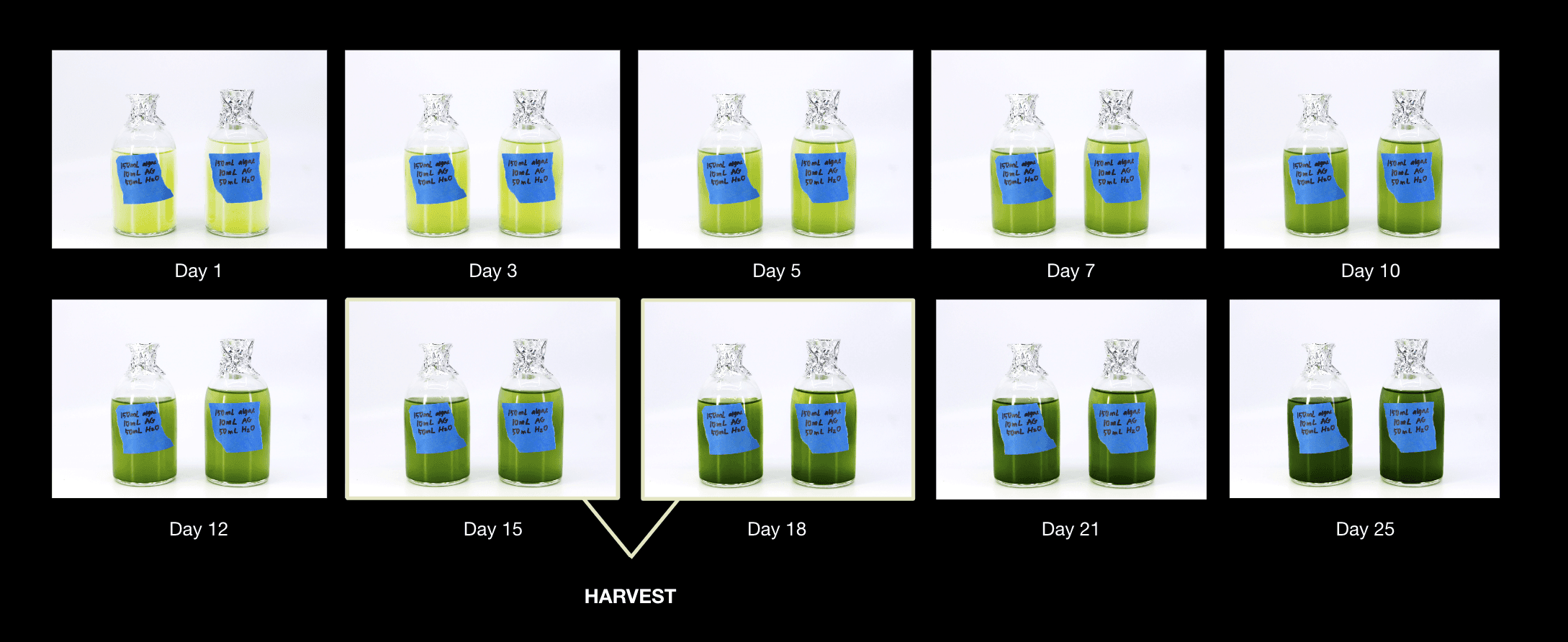
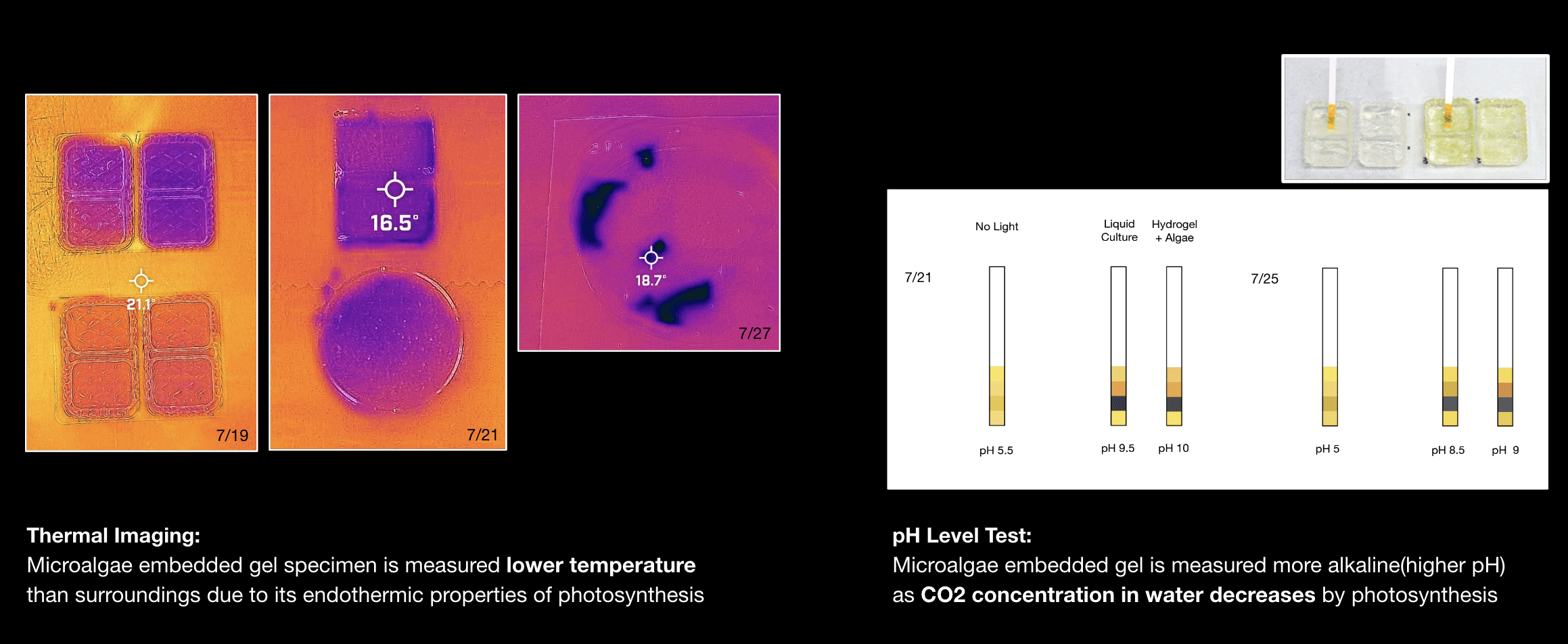
Concept was verified by using various experiments: daily hands-on algae environment replication, microscopic photosynthesis analysis, thermal imaging and DIVING-PAM-II equipment. We were able to measure the photosynthetic efficiency of our testing algae samples and conlcluded that our algae mixture had a substantial rate of photosynthesis and air filtration.

Hyundai's Sustainability Mission
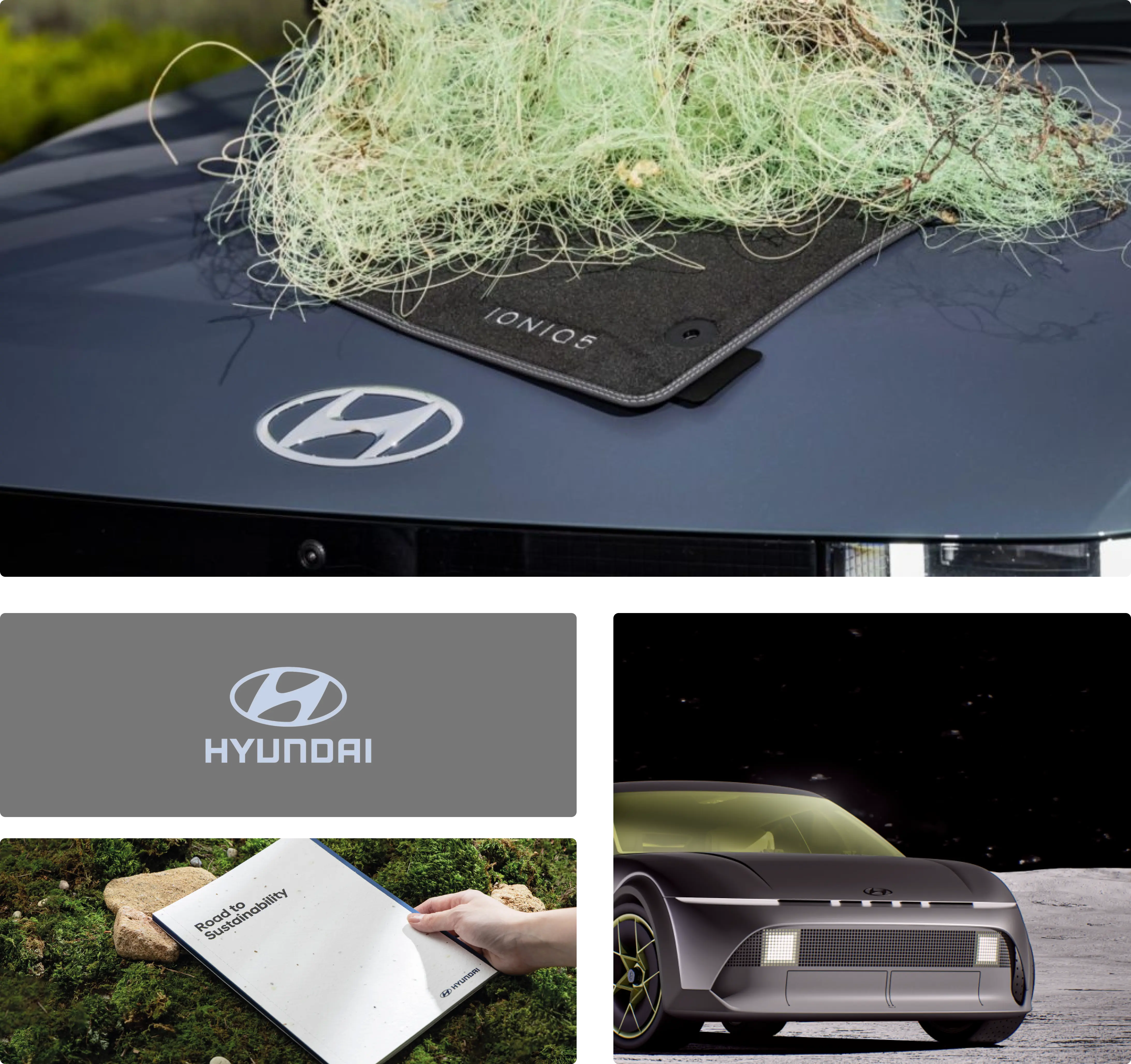
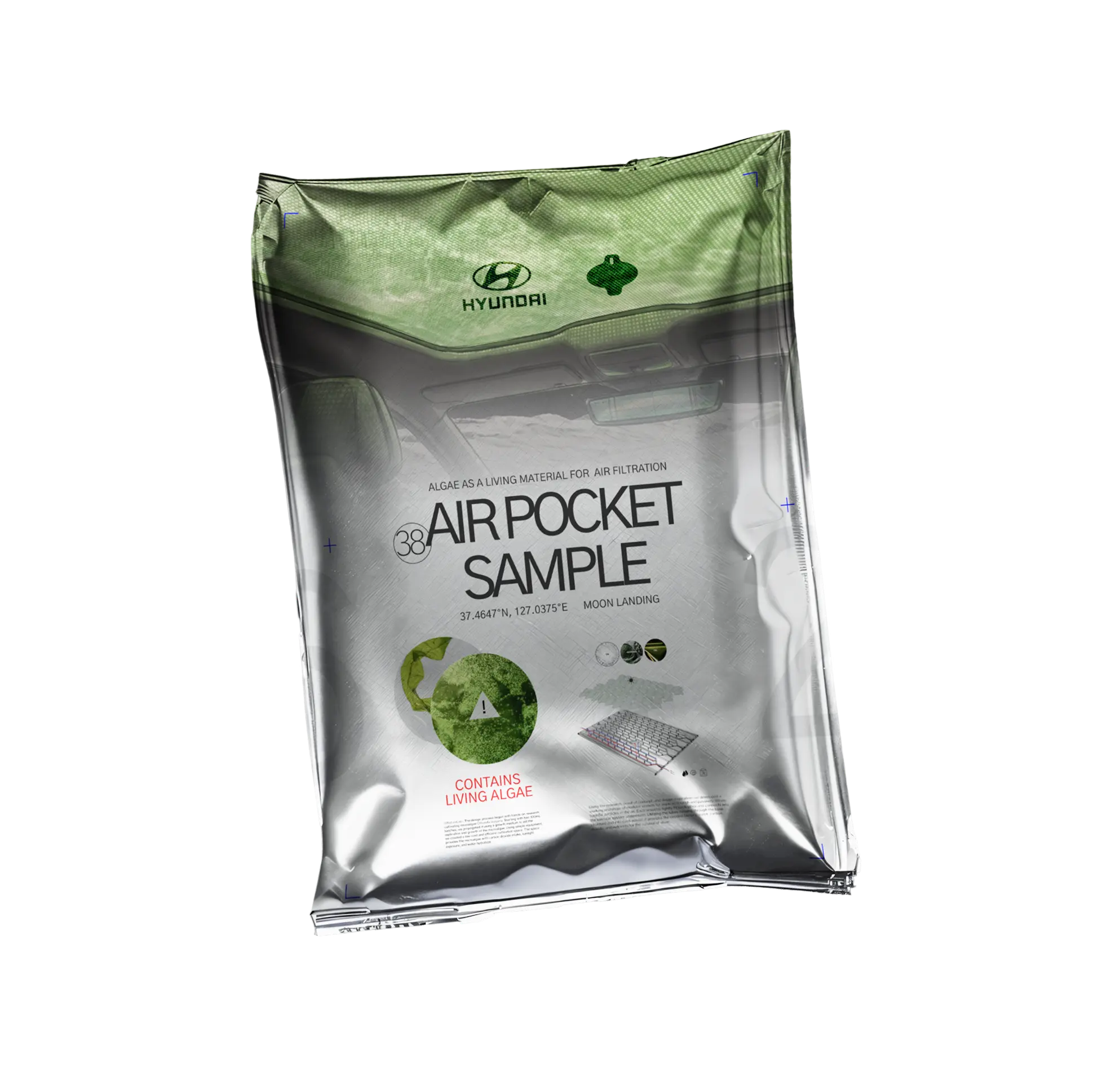
Designed for Hyundai's hydrogen fuel cell vehicle interiors, Air Pocket uses a self regulating algae vessel to purify cabin air and advance the brand's sustainable, living materials research. It turns the interior itself into a living part of the sustainability story.
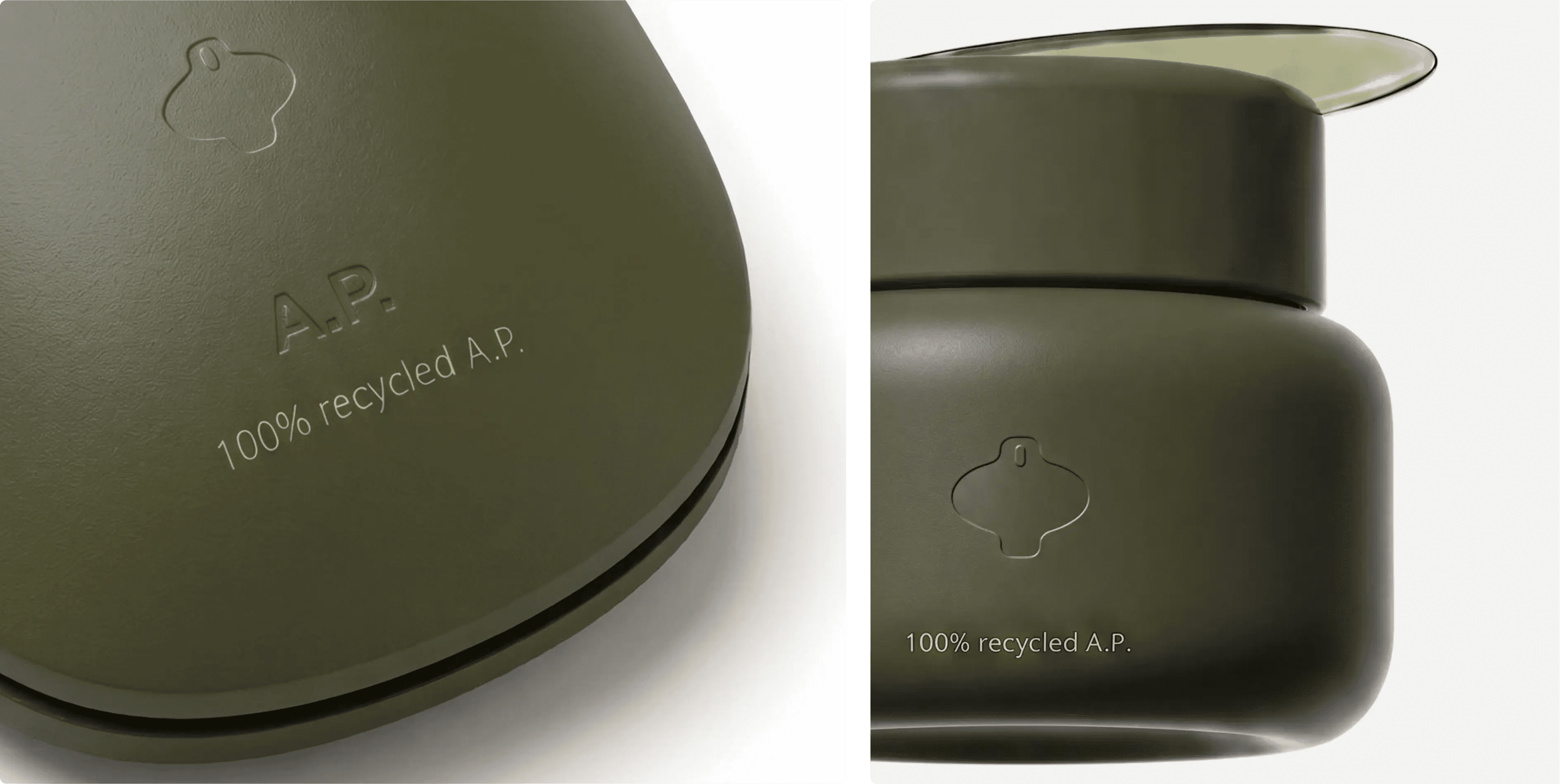
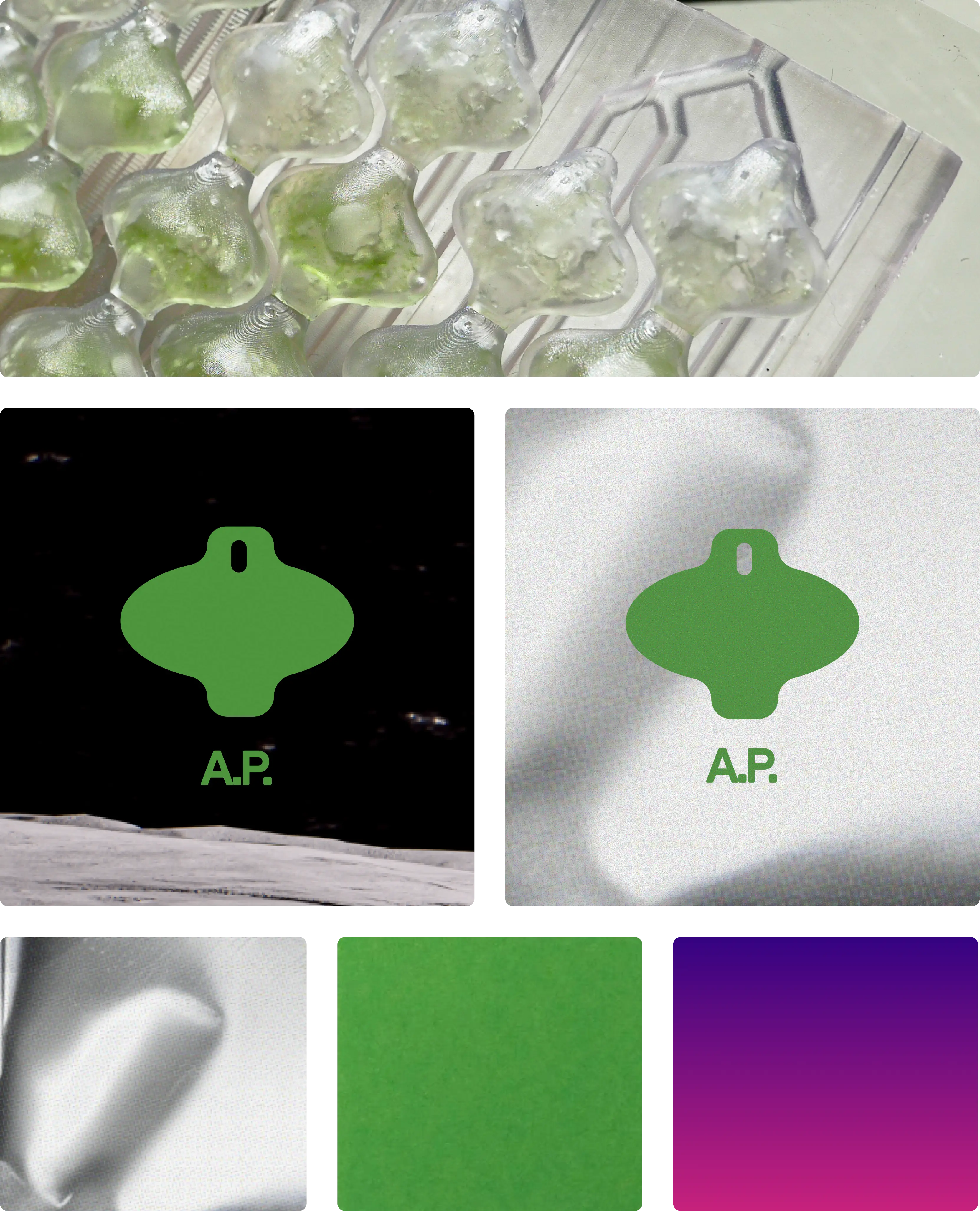
A.P. ("Air Pocket")
A.P. is the branded vessel that holds and regulates the living algae inside Air Pocket, its honeycomb structure built to let the material breathe and grow. The mark carries that same organic softness, a small brand system for a living material.

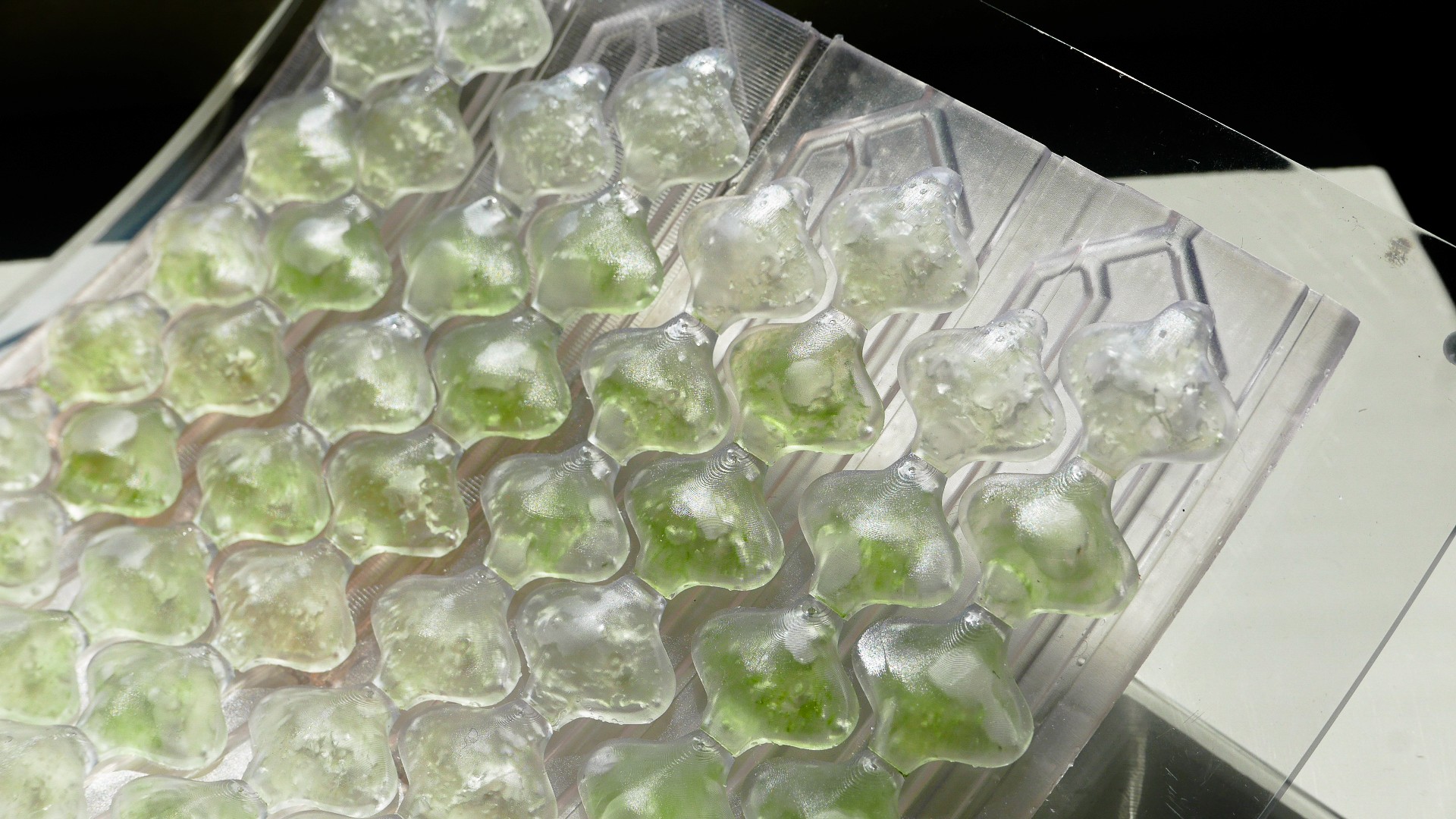
This real model shows the partially-working 3D printed prototype of Air Pocket with live algae and air filtration vents.

Product Lifecycle
Active A.P. algae releases oxygen. When the algae is spent, it converts into biomass. That biomass either recycles into an algae based material that performs like biodegradable plastic, or into bio-fuel for renewable energy.